
Impact of Adoption on Birth Parents
This fact sheet discusses some of the emotional issues that parents may face after making the decision to place an infant for adoption, in surrendering the child, and in handling the feelings that often persist afterwards. It may be a helpful resource for birth parents as well as family members, friends, and others who want… [read more]
In Loving Arms
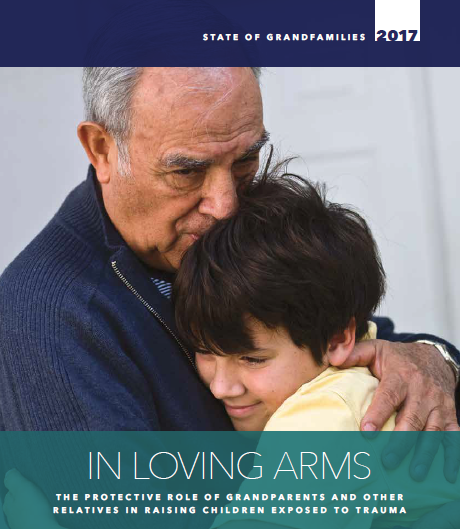
In Loving Arms Most babies, children and youth have traumatic experiences before going to live with their grandparents, aunts, uncles or other relatives in grandfamilies. More than half of children involved with the child welfare system have experienced at least four adverse childhood experiences (ACEs), leaving them 12 times more likely to have negative health outcomes than… [read more]
Infant Safe Haven Laws
Intercountry Adoption: Where Do I Start?
It’s Time to Make Older Child Adoption Reality

The number of youth who age out of foster care has risen steadily over the past decade, even in the wake of increased efforts to achieve permanence for all children in foster care. For far too many youth, aging out of care results in homelessness, work instability, and a lack of stable, loving relationships with… [read more]
Kinship Adoption – Meeting the Unique Needs of a Growing Population

Every year, more and more children in foster care find permanent homes with relatives when they cannot return to live with their parents. Most children will find permanent homes through relative adoption, which continued to increase throughout the decade. In 2000, 21 percent of the children adopted from foster care were adopted by relatives. By… [read more]
Kinship Adoption: Benefits, Challenges, and Practical Considerations
Kinship Care Best Practice Guidance
As the number of children in kinship care increase child welfare agencies are seeking policies, programs and practice guidance to help develop and implement effective kinship care policies and programs. Child welfare agencies are taking a new look at the nature of kinship care, the role of kinship care as a child welfare service, and… [read more]
Kinship Care May 2004
Definition and Incidence Kinship care is a living arrangement in which a relative or another person who is emotionally close to a child takes on primary responsibility for raising that child (Leos- Urbel, Bess, & Geen, 1999). According to the 2000 U.S. Census, nationally, there are 4.5 million children under the age of 18 living… [read more]
Kinship Foster Care
There is a growing consensus that group care is not beneficial for children except in time-limited therapeutic settings to meet specific treatment needs. Unfortunately, most communities lack a robust network of foster family homes. Given this reality, many child welfare agencies are redoubling their efforts to identify and engage kin as foster parents. Despite the… [read more]