
Grandparents who are raising their grandchildren may not be aware of the many tax benefits they may be able to claim. Here is a brief FAQ about what’s at stake.
Quick Reference Mental Health Guide
Quick Reference Mental Health Guide
The COVID-19 pandemic continues to impact every aspect of our lives. This public health emergency has presented unprecedented challenges to our schools and communities. In June, the New Jersey Department of Education (NJDOE) released The Road Back: Restart and Recovery Plan providing necessary information and considerations for a return to in-person instruction to our school district leaders. Since the provision of those guidelines, districts have made difficult decisions regarding the safe reopening of their schools based upon local needs assessments, staffing capacities, current enrollment numbers, and the unique physical structures within each school. New Jersey students and educators returned to school utilizing operational models such as: hybrid learning, remote instruction, or full in-person instruction. While districts have approached the challenge of school reopening in a variety of ways, all school communities are facing the same fundamental reality that their students and staff have endured, and continue to endure, significant stress and trauma as a result of the ongoing pandemic.
Providing Respite Supporting People and Families Across the Lifespan
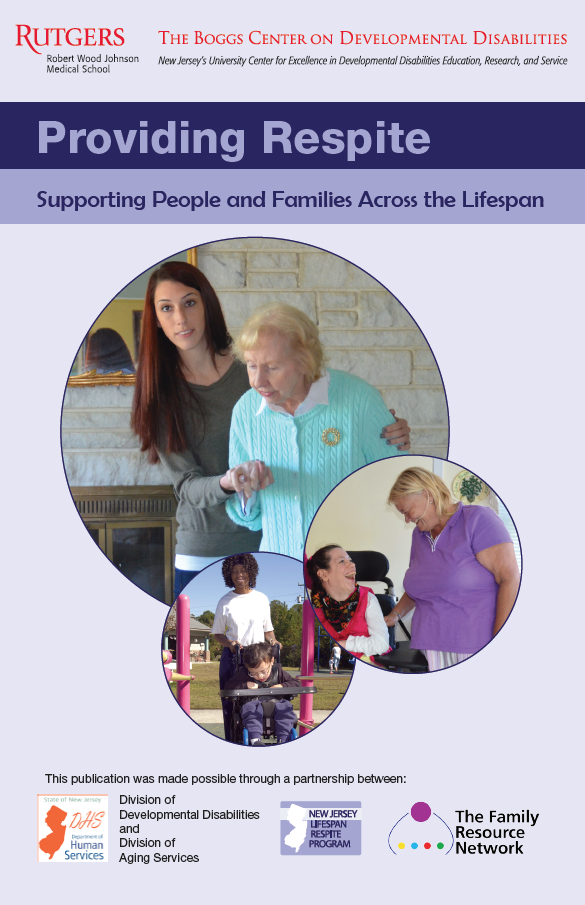
Providing Respite
Supporting People and Families Across the Lifespan
Defining Respite
Respite is a service that offers a short-term break for caregivers that regularly provide support to a child, adult, or senior family member with a disability or chronic health care need.
Respite may be planned, providing scheduled services to allow for intermittent breaks from caregiving, or may be available on an emergency basis in the case of unexpected life events that would negatively impact the individual receiving care. Emergencies could include a personal health crisis, job loss, or housing problem experienced by the caregiver.
Respite can be provided in a variety of settings, including:
In the family’s/individual’s home
In the respite provider’s home
Group homes or supervised apartments
Existing day care centers
Adult day programs
Camps
Cost-of-Living Adjustment (COLA) Information for 2021
Cost-of-Living Adjustment (COLA) Information for 2021:
Social Security and Supplemental Security Income (SSI) benefits for approximately 70 million Americans will increase 1.3 percent in 2021.
The 1.3 percent cost-of-living adjustment (COLA) will begin with benefits payable to more than 64 million Social Security beneficiaries in January 2021. Increased payments to more than 8 million SSI beneficiaries will begin on December 31, 2020. (Note: some people receive both Social Security and SSI benefits). For more information visit: https://www.ssa.gov/cola/
African American Grandfamilies
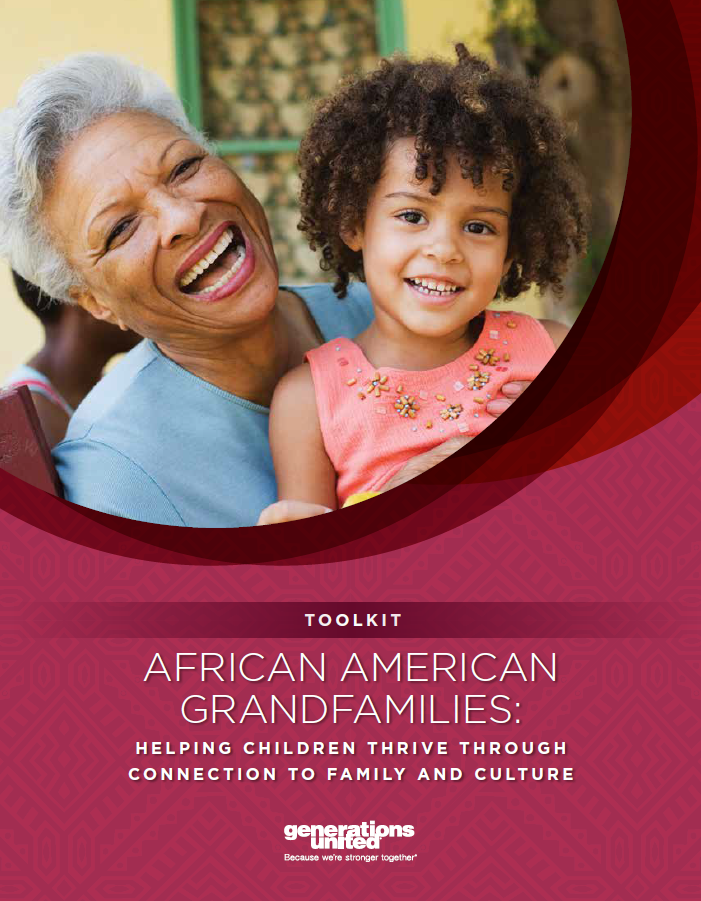
African American Grandfamilies
Both inside and outside the child welfare system, the probability that African American children will live in grandfamilies is more than double that of the overall population, with one in five African American children living in grandfamilies at some point during their childhood.
Getting Down to Basics,Tools to Support LGBTQ Youth in Care
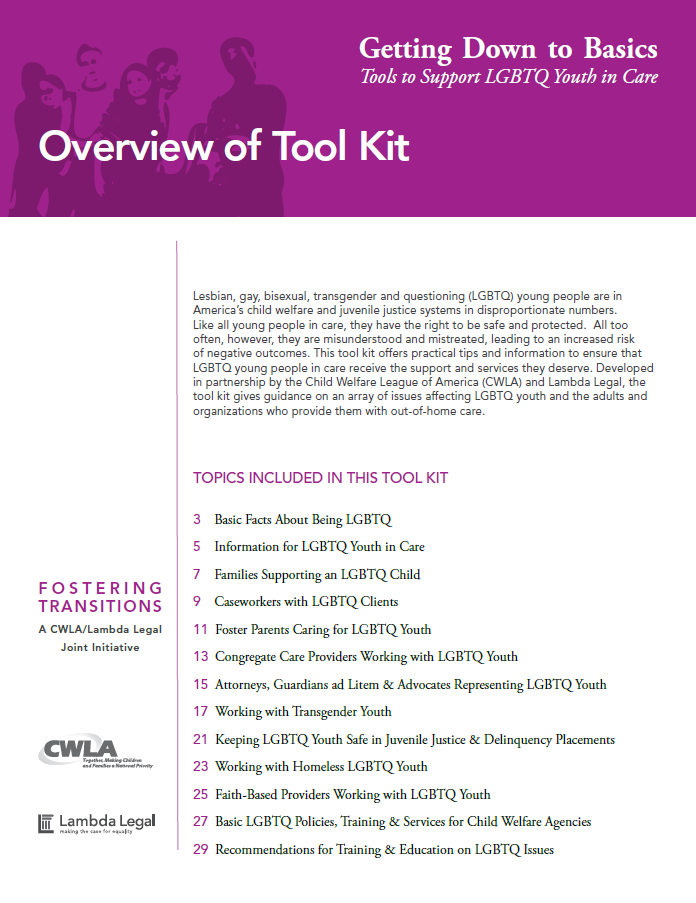
Lesbian, gay, bisexual, transgender and questioning (LGBTQ) young people are in
America’s child welfare and juvenile justice systems in disproportionate numbers.
Like all young people in care, they have the right to be safe and protected. All too
often, however, they are misunderstood and mistreated, leading to an increased risk
of negative outcomes. This tool kit offers practical tips and information to ensure that
LGBTQ young people in care receive the support and services they deserve. Developed
in partnership by the Child Welfare League of America (CWLA) and Lambda Legal, the
tool kit gives guidance on an array of issues affecting LGBTQ youth and the adults and
organizations who provide them with out-of-home care.
The Revised Family Crisis Handbook
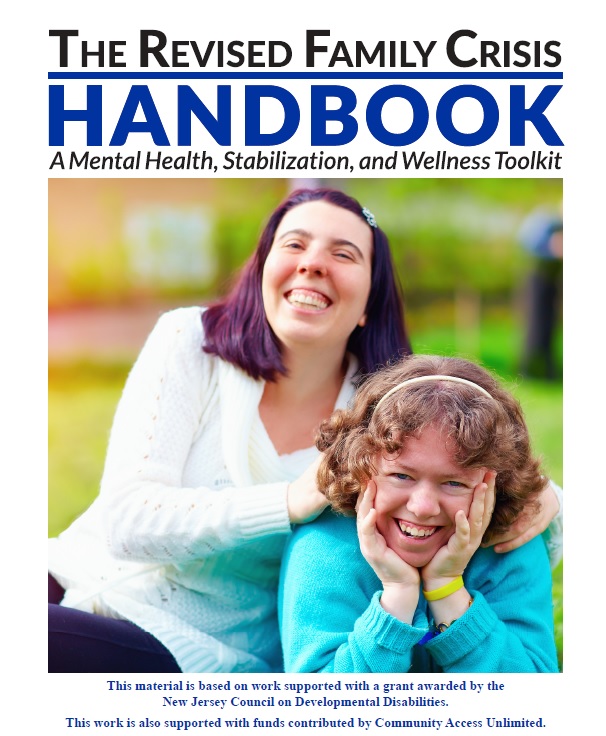
The purpose of this handbook is to empower individuals with disabilities and their families and professional caregivers by providing information with which they can more effectively advocate for treatments, supports, services and the conditions that promote mental wellness. Individuals with the dual diagnoses of developmental disabilities and mental health disorders face multiple challenges in their daily lives.
Statement from Children’s Aid and Family Services
Statement from Children’s Aid and Family Services: Children’s Aid and Family Services envisions a world where every person, of any color, origin, ability or faith, can reach their fullest potential. To achieve that goal, every person deserves to live free from fear, unimpeded by discrimination and unhindered by the threat and supreme indignity of violence. We stand in solidarity with all Americans who believe that a just and fair society is a fundamental right, not a privilege.
To all the people who comprise our organization – our children, young people and families, our staff and fellow community members, we want you to know that we stand together for racial equality and in the fight against injustice whenever and however it occurs. We believe everyone deserves to be treated with fairness and respect and that hate in all its forms must be unequivocally condemned.
For more than 120 years, we have served some of the most vulnerable members of our community and have helped them surmount the many barriers they face. We believe we must all do our part to make our communities the places we need them to be –equitable, respectful and opportunity-filled — places where children and families thrive. We, at Children’s Aid and Family Services, will continue the work of our mission: to strengthen families and empower individuals —children and adults alike — to reach their fullest potential.
Foster care and adoption in the age of COVID-19
Foster care and adoption in the age of COVID-19
As a parent—or aspiring parent—you’re already dealing with uncertainty every day. The last thing you needed was to have caseworkers become more difficult to reach or to have the routines you’ve worked so hard to establish unravel as schools close and providers become overwhelmed.
It’s an ever-changing landscape, but the reality is that wherever you are in your adoption journey, everything is most likely going to take longer as workers and resources are focused on keeping kids safe. Patience has always been an important quality in people who foster and adopt, and that is doubly true today.
https://blog.adoptuskids.org/foster-care-and-adoption-in-the-age-of-covid-19/?utm_source=Facebook&utm_campaign=SocialMedia
Why is it important for teachers to know about adoption
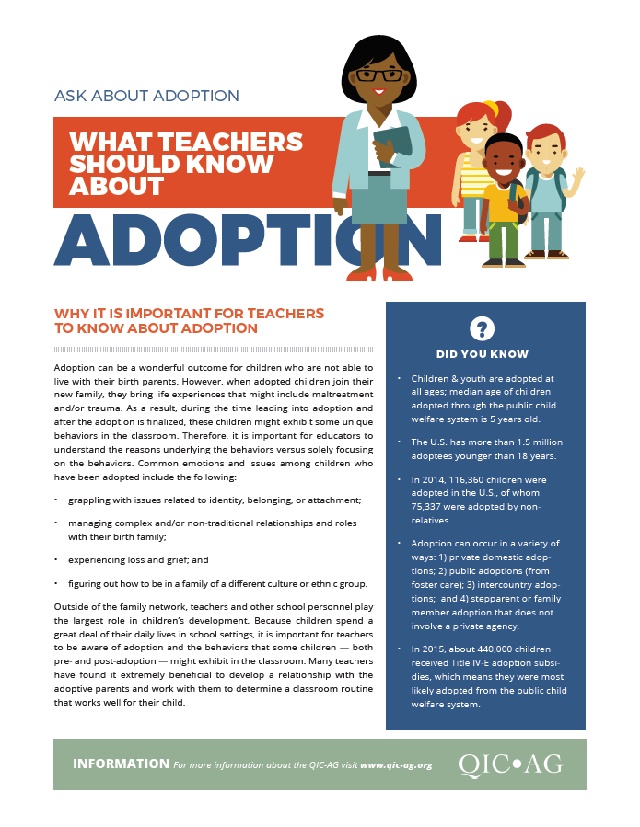
Why is it important for teachers to know about adoption
Adoption can be a wonderful outcome for children who are not able to
live with their birth parents. However, when adopted children join their
new family, they bring life experiences that might include maltreatment
and/or trauma. As a result, during the time leading into adoption and
after the adoption is finalized, these children might exhibit some unique
behaviors in the classroom. Therefore, it is important for educators to
understand the reasons underlying the behaviors versus solely focusing
on the behaviors.
- « Previous Page
- 1
- …
- 5
- 6
- 7
- 8
- 9
- …
- 246
- Next Page »